
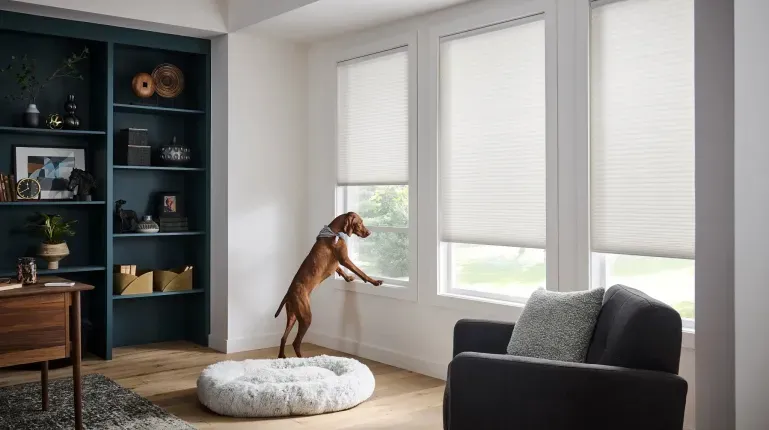
When I bought my first tiny condo in Toronto, I thought blinds were just about blocking the neighbors. Only after my first freezing winter and a bright summer sunrise at 5 a.m. did I realize how important good window blinds really are for comfort, privacy, and even energy bills.
What are window blinds?
Window blinds are adjustable coverings that sit inside or above the window frame and control how much light, heat, and privacy you get. They can be horizontal or vertical slats, fabric rollers, cellular shades, or a mix of materials like wood, aluminum, vinyl, or polyester.
In practice, blinds do three jobs at once:
- Filter or block daylight
- Help reduce glare on screens
- Add insulation near glass, which can be very helpful in Canadian winters where windows are a major source of heat loss.Natural Resources Canada
If you are just starting to plan window blinds for your home, it helps to think room by room instead of trying to pick one universal solution.
Why window blinds matter for you
For Canadian households, windows, doors, and skylights can account for a large portion of total heat loss, so anything that improves how your windows perform can influence comfort and energy costs.
Blinds can help you:
- Keep bedrooms dark enough for quality sleep, even in June
- Cut winter drafts and keep living rooms cozier
- Reduce overheating and glare in south facing rooms
- Add privacy in busy urban neighborhoods
I still remember working from my living room with bare windows. The glare on my laptop was so strong I ended up sitting at the kitchen table. Once I added simple fabric blinds, the room instantly felt more livable.
Comparing popular blind types
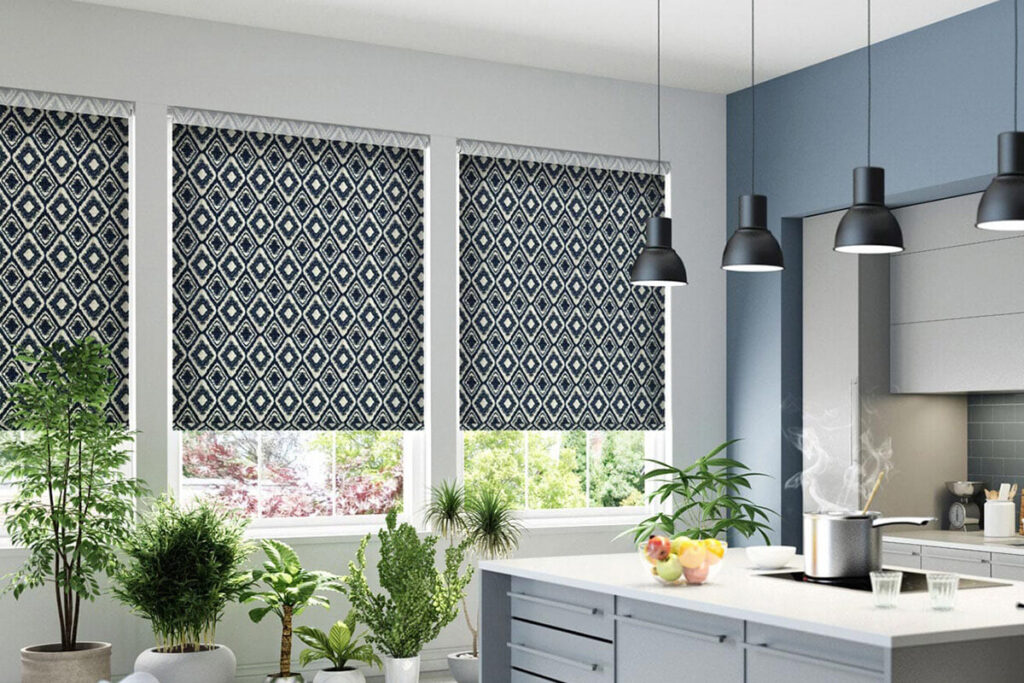
Here is a quick comparison of three common options in Canada.
| Parameter | Roller blinds | Venetian blinds | Cellular shades |
|---|---|---|---|
| Light control | Good | Very flexible | Good to excellent |
| Insulation | Basic | Basic | High |
| Privacy | Good | Adjustable | Very good |
| Best for | Living rooms, rentals | Offices, kitchens | Bedrooms, cold climates |
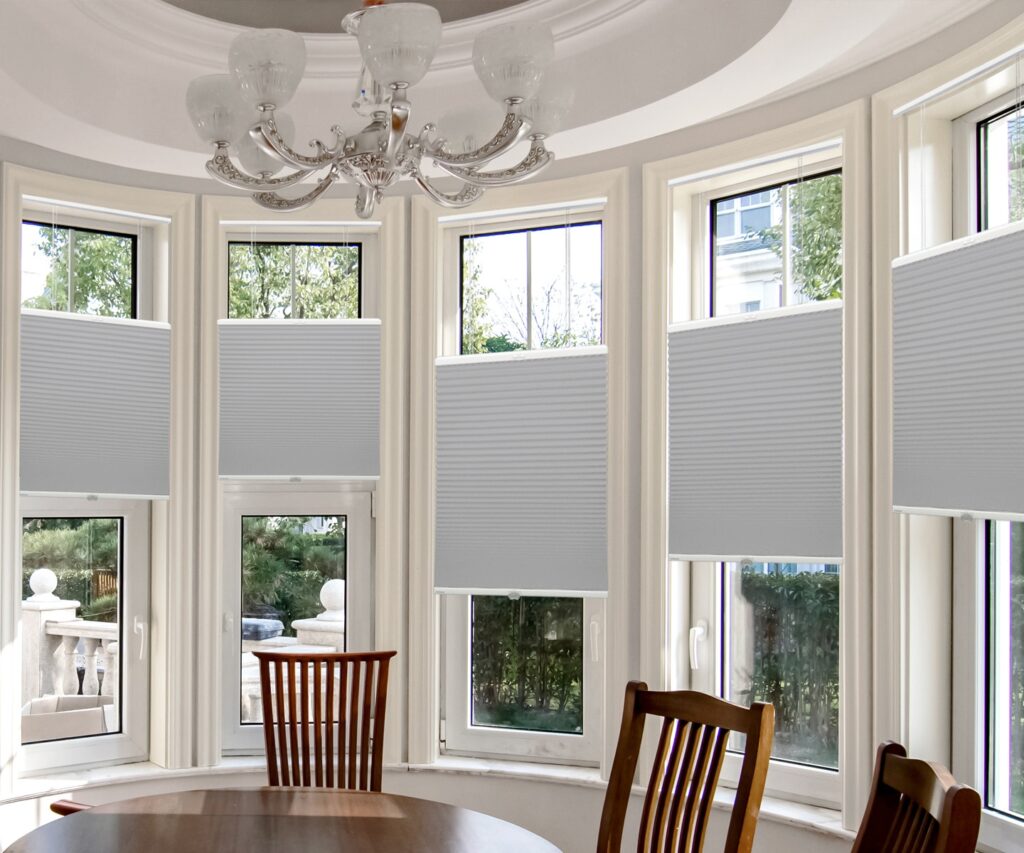
Cellular shades, sometimes called honeycomb shades, are especially interesting, because their air pockets add an extra insulating layer near the glass.
How to choose the best options for your rooms
Think through these factors for each space:
- Direction of the window: south and west often need more heat and glare control.
- Purpose of the room: bedrooms usually need blackout or near blackout; living rooms can be softer.
- Who uses the room: if children spend time there, cordless or motorized options are strongly recommended under Canadian safety regulations.
- Window size: large patio doors often work better with verticals or panel track systems.
A simple rule of thumb:
- Bedrooms: blackout roller or cellular
- Living room: light filtering roller or sheer shades
- Kitchen: moisture resistant materials like faux wood or aluminum
- Basement or north facing room: choose lighter fabrics so the space does not feel gloomy
Common mistakes to avoid
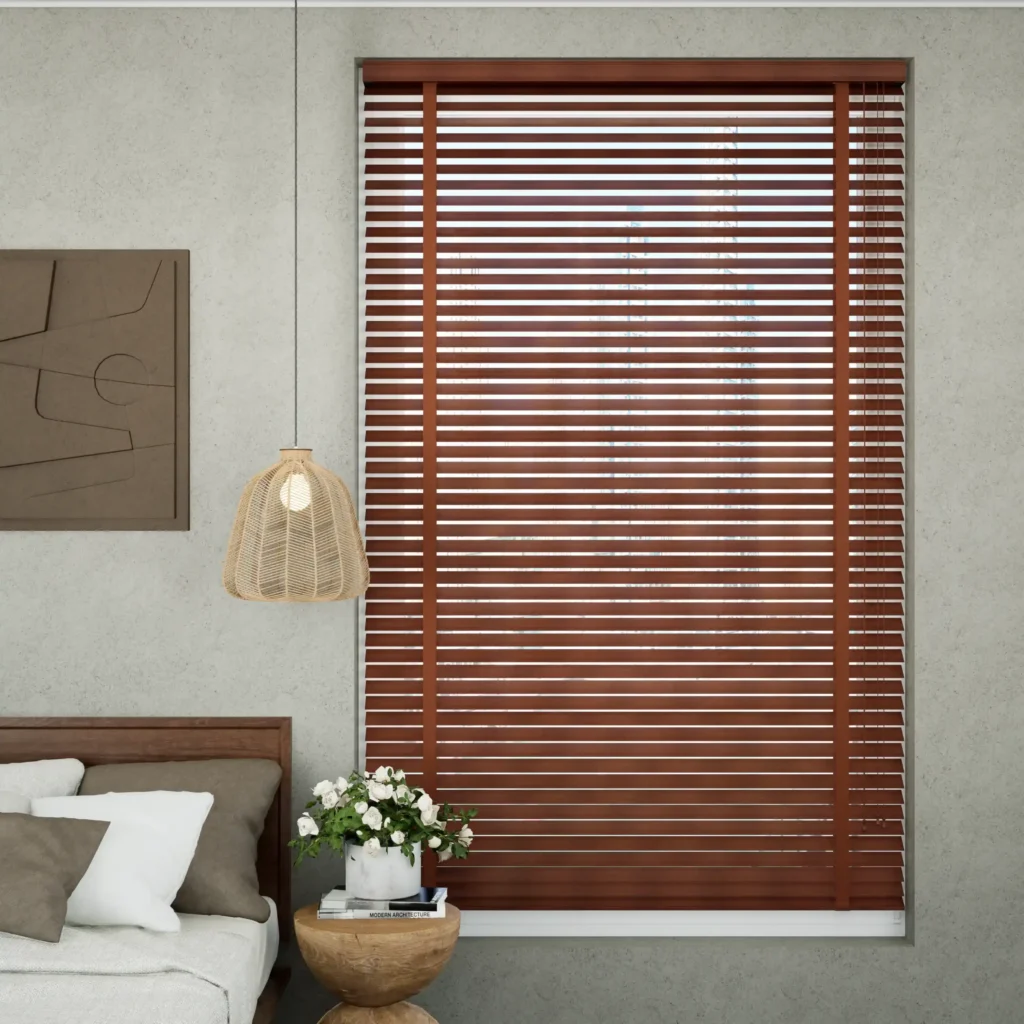
- Ignoring child safety: corded blinds with long cords can pose a strangulation risk, which is why Canada now has strict rules for corded window coverings.
- Measuring only once: an extra 5 minutes to double check width and height saves a lot of frustration.
- Forgetting about window depth: inside mount blinds need enough space to sit inside the frame.
- Choosing pure white in very sunny windows without considering glare; a slightly textured or off white fabric can feel softer.
Discussion: different opinions
Some designers prefer curtains and see blinds mainly as “functional”. Energy experts, on the other hand, highlight how modern blinds and shades can play a real role in lowering heating and cooling demand when combined with efficient windows.
From what I have seen in Canadian homes, the best results usually come from a mix: blinds for precise control of light and privacy, sometimes combined with curtains for softness and extra insulation.
FAQ
What should I consider first when buying window blinds?
Start with the room function and safety. Decide how dark the room must be, who will use it, and whether cordless or motorized operation is needed, then choose style and fabric.
How do I pick the right material?
Look at humidity (kitchen, bathroom), temperature swings, and cleaning needs. Faux wood or aluminum handle moisture well, while fabrics work better in dry areas.
What are the advantages and disadvantages of blinds compared to curtains?
Blinds give more precise light control and can be more compact, but they may feel less cozy than full curtains. Curtains can improve acoustics and add softness, but usually take more space and collect dust more easily.
Conclusion
Window blinds are more than a décor detail. In a Canadian climate, they are a practical tool for controlling light, privacy, and comfort across very cold winters and bright summers. By thinking room by room, considering safety rules, and combining aesthetics with energy efficiency, you can turn bare glass into a comfortable, well designed part of your home.